
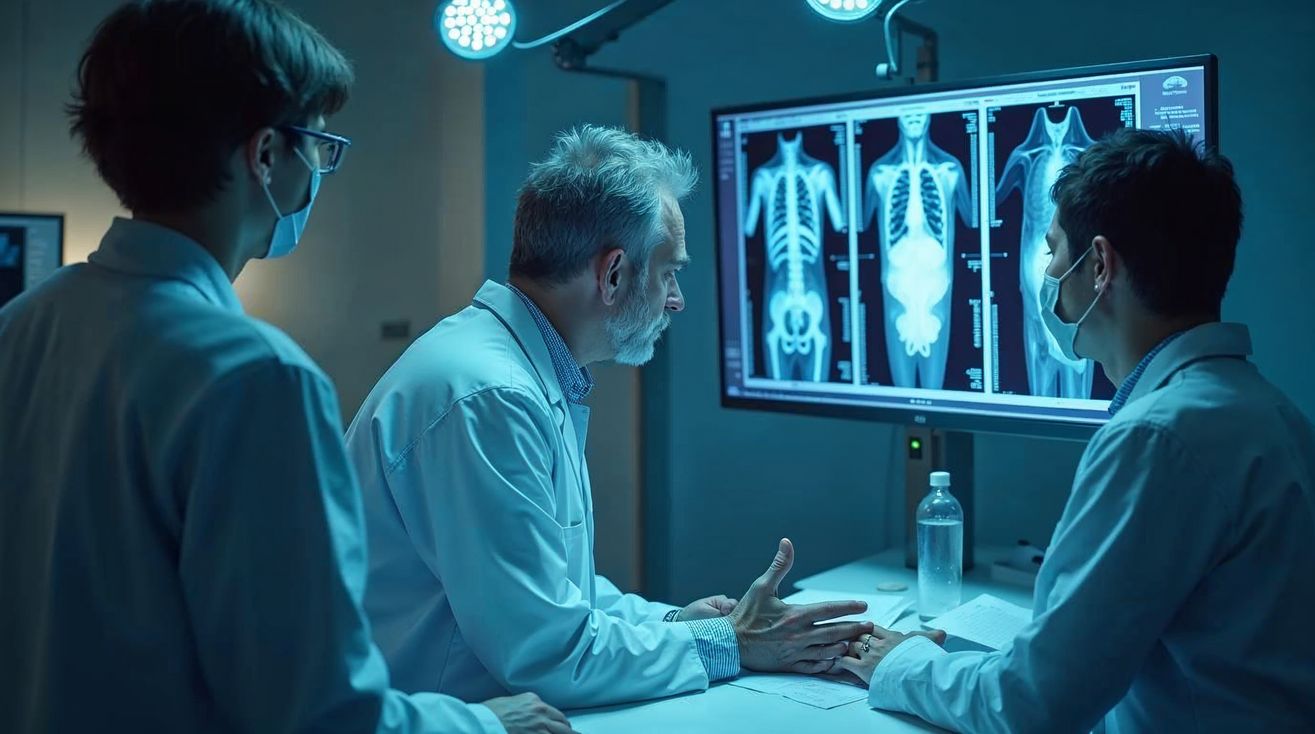

Machine learning is reshaping industries worldwide, and the healthcare sector in Portugal is no exception. Imagine algorithms helping doctors make more accurate diagnoses or predicting patient outcomes with a level of precision that’s truly groundbreaking. It’s a fascinating intersection of technology and medicine, and honestly, it’s surprising — really surprising — to see how quickly it’s evolving.
Transforming Diagnoses with AI
One of the most compelling applications of machine learning in Portuguese healthcare is in diagnostics. Consider radiology: AI systems can now analyze medical images with astounding accuracy. These systems assist radiologists by highlighting areas of concern that might be missed, ensuring no detail goes unnoticed. According to a report by RadiologyInfo, these AI tools can reduce human error and speed up the diagnostic process, enabling quicker patient treatment.
But it’s not just about speed. The improved accuracy means better patient outcomes, and that’s a goal everyone can rally behind. In a field where precision is paramount, the ability of AI to learn from vast datasets and identify patterns that humans might not immediately see is nothing short of revolutionary.
Predictive Analytics: A Step Ahead
Machine learning’s predictive prowess is another game-changer. By analyzing historical patient data, these systems can forecast future health trends, allowing healthcare providers to prepare and tailor their services more effectively. Imagine a hospital that can predict flu outbreaks weeks in advance or a clinic that knows which patients are at risk of developing chronic conditions.
This kind of foresight isn’t just theoretical. In Portugal, several healthcare institutions are already leveraging predictive analytics to enhance patient care. A study published in the New England Journal of Medicine highlighted how predictive models have helped in reducing readmission rates, a crucial factor in patient care and hospital management. It’s about being proactive rather than reactive, and that’s a significant shift in healthcare dynamics.
Personalized Treatment Plans
We all know that no two patients are exactly alike. Machine learning allows for the development of personalized treatment plans, tailored to the individual’s unique genetic makeup, lifestyle, and medical history. This is particularly relevant in Portugal, where diverse genetic backgrounds contribute to varied health needs.
By using machine learning algorithms, doctors can customize treatments with higher precision. These bespoke plans ensure that patients receive the most effective care for their specific conditions. It’s a move away from the one-size-fits-all approach that often dominates healthcare. Patients get treatments that are as unique as they are, and the results speak for themselves.
Challenges and Considerations
Of course, integrating machine learning into healthcare isn’t without its challenges. Data privacy is a significant concern. With so much sensitive information at stake, ensuring that patient data is protected is paramount. Portugal, like many other countries, is navigating these waters carefully, implementing regulations to safeguard information.
Moreover, there’s the issue of technological integration. Not every hospital or clinic has the infrastructure to support these advanced systems. Training healthcare professionals to effectively use AI tools is also critical. It’s a learning curve that the healthcare sector must embrace to fully realize the benefits of machine learning.
And let’s not forget the human element. While AI can assist, it doesn’t replace the empathy and judgment of a seasoned healthcare professional. The goal is to have AI work alongside human experts, creating a synergy that enhances patient care rather than replacing it.
The Future of AI in Portuguese Healthcare
Looking ahead, the future of machine learning in Portuguese healthcare is bright and full of potential. As technology advances, so too will its applications, offering even more sophisticated solutions to complex health challenges. The integration of AI in healthcare promises not only to improve efficiency and accuracy but also to make healthcare more accessible to those who need it most.
As this technology continues to develop, the key will be maintaining a balance between innovation and ethics. Ensuring that these advancements are used responsibly and equitably is essential. It’s an exciting time for healthcare in Portugal, and the possibilities are as vast as they are promising.
So, whether you’re a healthcare professional, a patient, or simply someone interested in the intersection of technology and medicine, now is the time to pay attention. The changes happening today could very well shape the healthcare landscape of tomorrow. Let’s embrace it, explore it, and see where it takes us.


