
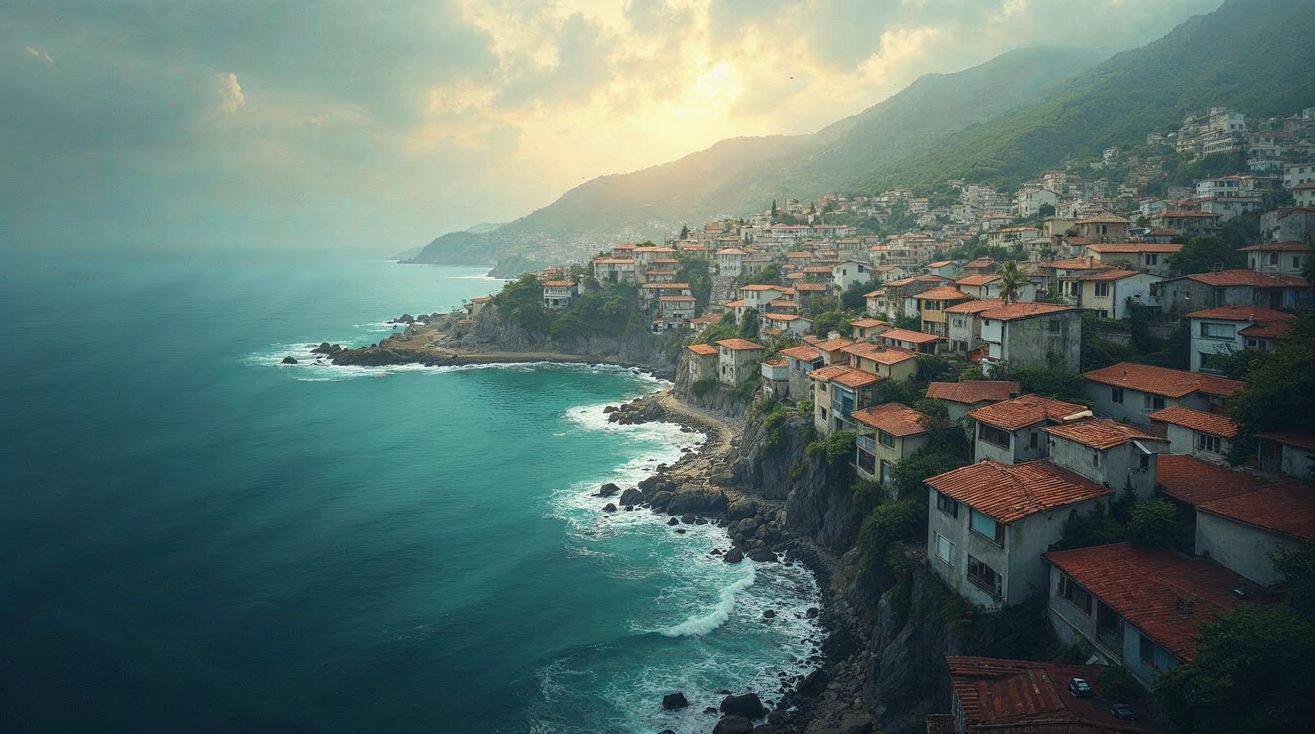

Portugal, with its charming beaches, historic sites, and vibrant culture, often seems like a dream destination for expats. Yet beneath this sunlit façade, the country faces a housing crisis that’s far from being a whisper in the night. It’s a problem that many newcomers, lured by the allure of a new life, still don’t fully grasp. So, what exactly is going on?
The heart of the issue lies in a complex web of rising costs, limited supply, and increasing demand. For decades, Portugal was a hidden gem, but now it is very much on the map, especially with the influx of expats and tourists. However, while the picturesque landscapes and warm weather are enticing, they come with a price. A heavy one.
The Cost of Coastal Living
For those dreaming of a seaside home, the reality can be jarring. In popular cities like Lisbon and Porto, housing prices have soared, making it difficult for locals and newcomers alike to find affordable options. According to a recent Eurostat report, property prices in these areas have risen by over 10% annually. And honestly, it’s surprising — really surprising — how quickly a cozy flat can become out of reach.
The surge isn’t just limited to purchasing homes. Rental prices, too, have climbed steeply, leaving many residents struggling to keep up. You might think, “Why not just move inland?” But even that comes with its own challenges, as we’ll see.
Inland Isn’t Always the Answer
Shifting away from the coast to more rural areas might seem like a logical step. Yet, as many have discovered, it’s not always the solution. While it’s true that prices are generally lower inland, the availability of homes is not guaranteed. The infrastructure in these regions can be lacking, with fewer amenities, less public transport, and limited employment opportunities.
And let’s not forget the cultural adjustment. It’s one thing to visit a quaint village on holiday; it’s quite another to live there year-round. The pace is slower, which can be a blessing or a burden, depending on your outlook.
Tourism: A Double-Edged Sword
Tourism, while beneficial to the economy, plays a significant role in the housing crisis. Short-term rentals, like those found on Airbnb, have exploded in popularity, especially in tourist hotspots. This trend has reduced the number of properties available for long-term residents. The charm of renting out a room for a quick buck can feel irresistible, but it often comes at a cost to the community.
Local governments are responding, albeit slowly. Restrictions on short-term rentals are being introduced, but it’s a delicate balance. How do you support tourism without squeezing out the residents? It’s a question that policymakers are wrestling with, and the answer isn’t straightforward.
The Expats’ Role
Expats themselves can sometimes inadvertently exacerbate the issue. Drawn by Portugal’s favorable tax policies and high quality of life, many are purchasing second homes or investing in property. This influx of foreign buyers further inflates the market, driving prices beyond the reach of average Portuguese families.
Yet, it’s not just about buying power. The cultural impact is palpable. As neighborhoods transform to cater to international tastes, there’s a risk of losing the essence of what makes Portugal unique. It’s a subtle shift, but one that residents feel keenly.
What Lies Ahead?
So, where does Portugal go from here? The government is exploring various measures, from increasing housing stock to implementing stricter regulations on short-term rentals. But these solutions take time, and the clock is ticking for many who are feeling the pressure.
For expats considering a move, a deeper understanding of the local context is essential. It’s not just about finding a beautiful place to live; it’s about becoming part of a community and acknowledging the challenges it faces.
To truly thrive, expats must engage with the local community, support sustainable practices, and advocate for balanced policies. It’s about realizing that the dream of living in Portugal comes with responsibilities.
If you’re contemplating a new life in Portugal, take the time to understand these dynamics. Speak to locals, explore different regions, and consider the impact of your choices. After all, the allure of Portugal is not just in its beauty but in the richness of its community and culture.
Why not start by visiting a local market or taking part in a neighborhood event? It’s these small steps that can make a significant difference — and maybe, just maybe, help bridge the gap between dream and reality.


