
Portugal’s Price Evolution: Separating Myth from Modern Reality
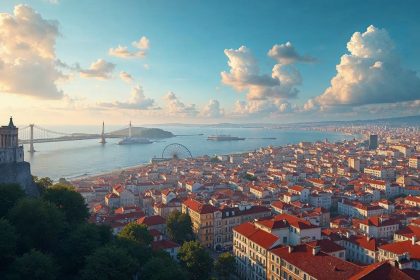
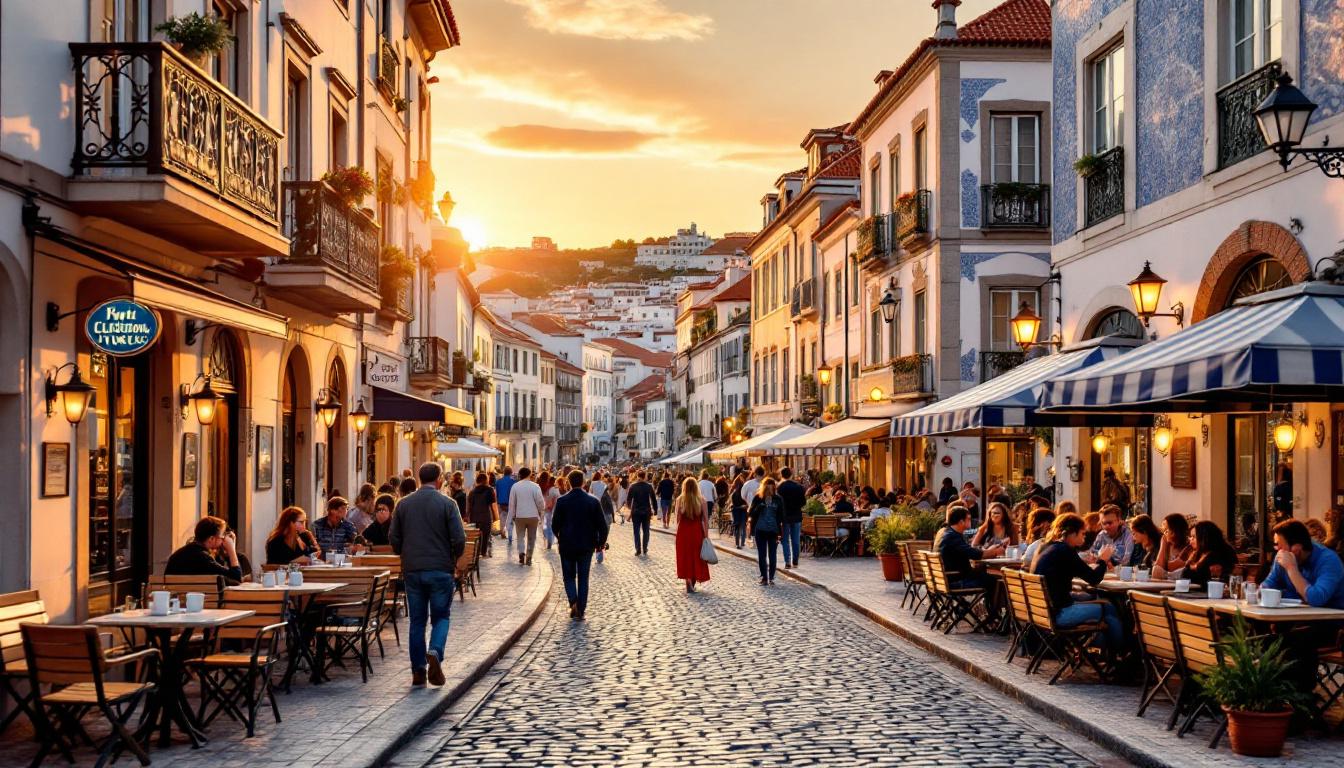
The conversation happens everywhere—on the steep cobbled streets of Alfama, along the terraced vineyards of the Douro, in cafés where espresso arrives in delicate porcelain cups. “Everything here costs half what it does back home,” travelers declare between sips of coffee, as if they’ve uncovered some enduring economic secret. These words, repeated countless times across social media and travel blogs, have cemented Portugal’s reputation as Europe’s affordable paradise. Yet spend enough time in this country, talk to enough locals, and a more nuanced story emerges. Portugal hasn’t abandoned its charm or hospitality—but the equation that once made it the continent’s budget destination has fundamentally shifted.
For those planning their first comprehensive exploration of the country, understanding this new reality becomes essential when crafting a 7-day Portugal itinerary from Lisbon to Porto that balances authentic experiences with realistic budget expectations.
• Hotel rates in Lisbon/Porto increased 85% since 2019
• Restaurant prices in tourist areas now match Barcelona levels
• Public transport remains 40% cheaper than EU average
• Inland regions still offer 50-60% savings over coastal cities
The Legacy of the Low-Cost Narrative
Portugal earned its reputation for affordability honestly. For decades, the country represented something rare: a Western European destination where a traveler could live well on modest means. Sun-soaked beaches, compelling architecture, hearty traditional cuisine, and genuine warmth from residents combined with genuinely low accommodation and dining costs. A decade ago, you could secure a comfortable hotel room for 30 euros, enjoy a full meal with wine for eight euros, and traverse the city on public transport for pocket change. This wasn’t marketing hyperbole—it was lived reality for both visitors and the Portuguese people themselves.
The surge in tourism over the past ten years has transformed this calculus entirely. Investment poured into Portugal’s cities. International chains established themselves in historic neighborhoods. Property values skyrocketed. According to Eurostat housing price statistics, Portugal experienced some of Europe’s steepest residential cost increases between 2019-2024. Lisbon and Porto became destinations on every traveler’s shortlist. Real estate developers recognized the opportunity. With each passing season, the old Portugal of bargain prices seemed to recede further into the rearview mirror.
“Portugal’s house prices increased by 47% between 2019-2023, the third-highest rate in the European Union after Estonia and Luxembourg” – Eurostat Housing Price Index, 2024
Walk through the Baixa district in Lisbon or the Ribeira in Porto today, and restaurant menus read like prices you’d encounter in Paris or Barcelona. Hotel rates have doubled, sometimes tripled, depending on season. The phenomenon isn’t limited to Portugal’s most famous addresses—it’s rippled through secondary cities and even reached smaller coastal towns. The “low-cost” label, while still attached to Portugal’s image globally, increasingly strains credibility in urban and heavily touristed areas.
Where the Myth Holds and Where It Dissolves
The complete picture requires precision, however. Declare Portugal expensive, and you’d be equally mistaken. The truth occupies the middle ground, shaped largely by geography and intentional choices.
Public transportation remains genuinely affordable by European standards. The railway network connects Lisbon to Porto for approximately forty euros. Urban metro systems and bus networks rarely exceed two euros per journey. Supermarket shopping for basic goods costs less than equivalent purchases in France, particularly when buying local Portuguese products. Official EU comparative price data confirms Portugal maintains 15-20% lower costs than Western European averages for essential goods and services. In residential neighborhoods and smaller towns away from tourist infrastructure, lunch still arrives at your table for a dozen euros, wine included.
| Location Type | Meal Cost | Hotel (3-star) | Coffee |
|---|---|---|---|
| Lisbon/Porto Tourist Areas | €18-25 | €120-180/night | €2.50-3.50 |
| Lisbon/Porto Residential | €12-18 | €80-120/night | €1.20-2.00 |
| Secondary Cities (Évora, Guarda) | €10-15 | €50-80/night | €0.80-1.50 |
| Rural/Inland Areas | €8-12 | €40-60/night | €0.70-1.20 |
The paradox crystallizes around location. Coastal cities and major metropolitan areas have adopted European pricing standards. Venture inland—to the Alentejo region’s cork forests, to the medieval towns of the Beira Interior, to villages where tourism hasn’t yet reshaped the economy—and the accessible Portugal of memory remains tangible. Trade Porto’s famous riverfront restaurants for the atmospheric streets of Guarda, or exchange Lisbon’s trendy Príncipe Real district for the dignified squares of Évora, and the financial picture transforms.
In these secondary cities, three-star hotels hover around fifty euros per night. Markets overflow with seasonal produce sold by vendors who’ve worked the same stalls for decades. The Portuguese art of living reveals itself through small ceremonies: lingering over morning coffee, plates of fresh cheese and olive oil, locally-produced wine that costs less than bottled water in capital cities. This isn’t nostalgia speaking—it’s contemporary reality, preserved through geography.
Strategy Over Spontaneity
Traveling through Portugal in 2024 affordably remains entirely achievable—but it requires deliberate planning rather than wandering hope. The most effective approach involves several interconnected strategies.
First, accommodation location matters enormously. Staying one neighborhood beyond the primary tourist zones can reduce nightly rates by thirty to fifty percent while maintaining proximity to major attractions. Second, follow locals to their dining spots. The small family-run tascas—casual restaurants serving daily specials—still deliver remarkable value and authentic flavors that fancy establishments can’t replicate. Third, embrace seasonality. Traveling outside July and August fundamentally reshapes both availability and pricing.
• Book accommodations in Almada (across from Lisbon) for 40% savings with 15-minute ferry access
• Eat lunch at “prato do dia” (dish of the day) spots—always includes soup, main, dessert, coffee for €8-12
• Travel by regional trains instead of Alfa Pendular—same destinations, half the cost, better scenery
Advance booking has become essential. Prices in Lisbon and Porto can fluctuate wildly between months. Reservations made four to six weeks ahead, particularly during shoulder seasons, preserve the comfort-to-budget equation that makes Portugal appealing. The country no longer rewards last-minute booking—but it generously rewards planning.
Regional trains, instead of premium express services, cost substantially less and move through landscapes that most visitors never witness. Rural pensions in areas like the Douro Valley offer peaceful nights beneath olive trees for equivalent cost to a single meal at a Lisbon trendspot. These choices aren’t sacrifices—they’re often superior to standard tourist experiences.
Why the Myth Persists
The low-cost Portugal narrative survives because it contains kernels of authentic truth, even if the overall picture has evolved. The contrast remains real—visitors can experience genuine luxury experiences at prices unthinkable in neighboring countries. Compared to coastal Spain or southern France, Portugal still delivers impressive value, particularly when measured in experiences rather than accommodation price tags alone.
The mythology also endures because travelers project what they want to find. Some discover the affordable Portugal they expected by making intentional choices. Others, arriving without flexibility, encounter European prices and conclude the myth is dead. Both experiences exist simultaneously, held in different neighborhoods, different towns, different seasons.
For professionals considering longer stays, the economic landscape becomes more complex. Freelancing as a tech professional in Portugal reveals how the country’s evolving cost structure affects remote workers differently than short-term tourists, particularly in cities where smart city initiatives in Lisbon and Porto continue attracting international talent.
“Portugal’s comparative price level reached 69.1% of the EU average in 2023, up from 62.8% in 2019, reflecting rapid convergence with Western European costs” – Eurostat Comparative Price Levels Report, 2024
The Deeper Value Proposition
The real transformation isn’t that Portugal has become expensive—it’s that the conversation around value has matured. Portugal no longer markets itself as Europe’s bargain bin. Instead, it offers something potentially more valuable: quality experiences at reasonable costs, authentic engagement with a living culture, landscapes that move the soul, and genuine human connection. These elements can’t be reduced to daily budget calculations.
This shift reflects broader changes in Portugal’s job market transformation, where increased international investment and remote work opportunities have elevated living standards while creating new economic realities for both residents and visitors.
A return visit to Portugal yields something different than first-time tourism economy metrics might suggest. The value lies not in spending less than expected, but in receiving more—more beauty, more warmth, more of the intangible qualities that transform travel from consumption into genuine experience. That’s a mythology worth believing in, regardless of what hotel invoices ultimately total.