9 phrases seniors still use without knowing they offend younger generations

A café full of laptop screens and quiet conversations. An older woman mentions casually, “I don’t see color, I just treat everyone the same.” A younger person at the next table freezes. You can feel the shift in the air—that familiar tension when something meant as kindness lands like an accusation instead. Nobody yells. Nobody storms out. But the moment sits there, heavy and unresolved, another small collision in a much larger pattern.
These encounters happen every day around kitchen tables, in offices, at family dinners. Two generations speaking what feels like the same language, but hearing completely different messages. The older person leaves the conversation thinking they said something perfectly reasonable, even progressive. The younger person carries home a sting they struggle to explain without sounding oversensitive.
The gap between what was taught as polite in 1975 and what lands as respectful in 2025 is where most of the friction lives. Words have quietly changed their weight while nobody sent out a memo. Seniors learned language like table manners—fixed, neutral, safe. Younger generations rewired how language actually works through social media, workplace training, and lived experience. The problem isn’t malice. It’s that nobody told the older generation the rules shifted.
The weight behind seemingly innocent phrases
Take a simple compliment: “You’re so articulate.” A grandmother offers this to her Black grandson’s friend at dinner, genuinely proud of the praise. But his shoulders tense slightly. He smiles, but his eyes drift toward his phone. The parents exchange a glance. Everyone in that room knows what she intended. Everyone also knows what she implied: she didn’t expect a young Black man to sound intelligent.
That’s the brutal mathematics of these moments. The comment was four words. The silence afterwards carried years of assumptions about who gets to be smart, who gets to be taken seriously, who gets the benefit of the doubt. Nothing explodes. The meal continues. But something real broke in that exchange.
This pattern repeats across nine phrases that show up constantly in these generational clashes: “I don’t see color,” “You kids are so sensitive now,” “Back in my day we just worked harder,” “You don’t look gay,” “What are you, exactly?” Each one flattens a person into a category. Each one assumes the speaker gets to define the listener’s reality rather than letting people exist as individuals.
Intent versus the actual damage caused
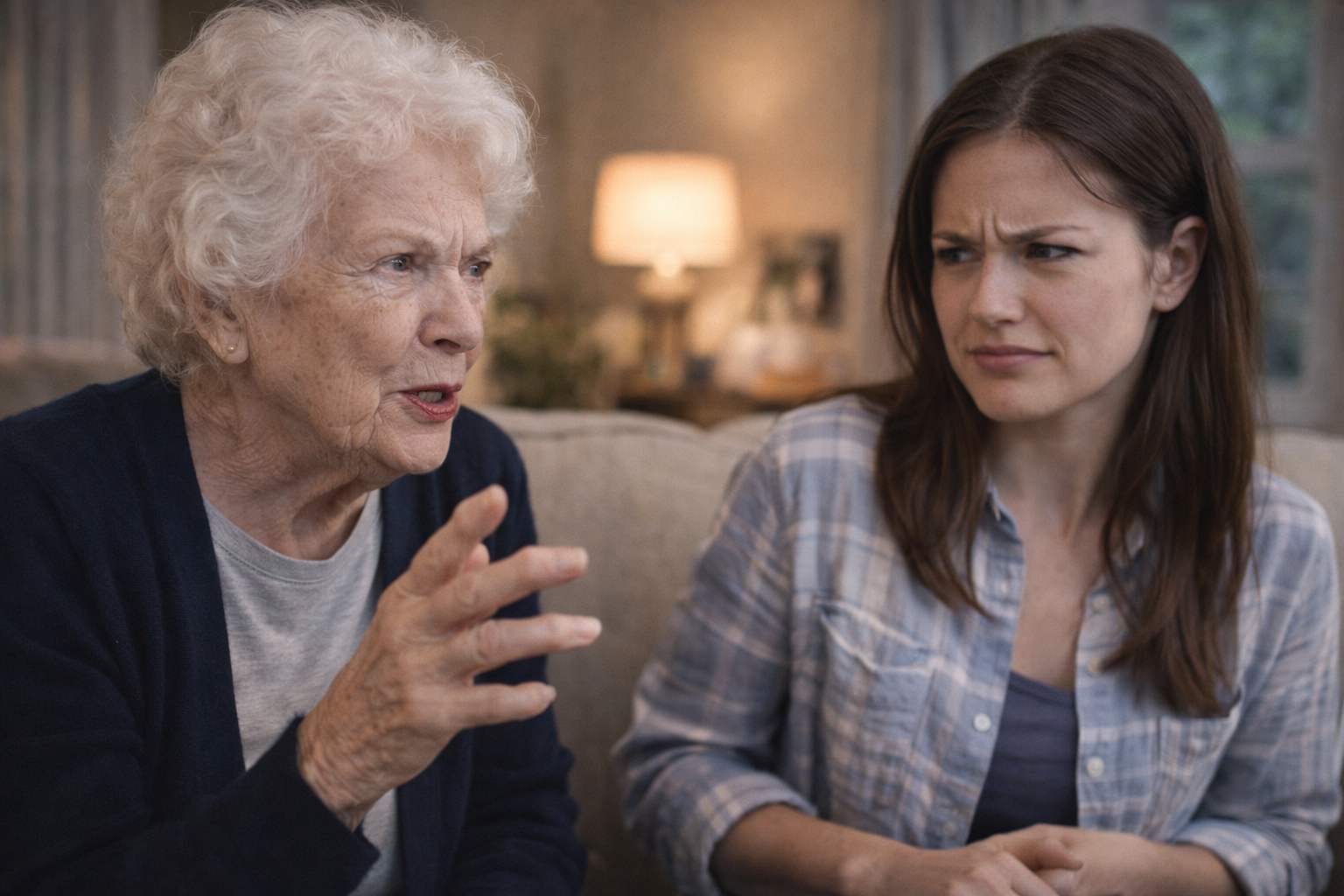
Here’s where most conversations get stuck: seniors often defend themselves by explaining what they meant. “I didn’t mean it that way.” Younger people, meanwhile, are living inside the impact. “It still hurt.” These are not the same argument. One is about the speaker’s conscience. The other is about the listener’s actual experience.
According to research from the American Psychological Association, micro-aggressions—small, often unintentional slights based on identity—accumulate over time and create measurable psychological stress. A single comment might seem harmless in isolation. But for someone hearing variations of the same message repeatedly across their lifetime, the weight becomes real.
Seniors who grew up in eras when nobody discussed bias, trauma, or boundaries genuinely don’t always understand what they’re triggering. The older woman with the tea wasn’t trying to be cruel. She was operating from a framework where not seeing color felt like the most progressive thing you could say. That framework is now decades old. The world moved on without her.
The practical shifts that actually work
A straightforward test before speaking helps: “Am I talking about this person as an individual, or reducing them to a category?” Most offensive phrases fail this test immediately. “You kids are so sensitive now” converts a real emotion into a generational joke. “What are you, exactly?” reduces a human being to a puzzle about ethnicity or gender that they didn’t ask to solve.
Small swaps make enormous differences. Instead of “You’re so articulate” (which implies surprise), try “You explained that really clearly” (which praises the actual skill). Replace “Back in my day we just worked harder” with “Here’s how it was for us. What’s it like for you?” That one shift moves you from judge to curious listener. Drop identity quizzes entirely and let people define themselves on their own timeline.
When mistakes happen—and they will—the response matters more than the error. Brief apologies work. No lengthy self-flagellation, no speeches about how you didn’t mean it. Just: “I see how that landed. Thanks for telling me.” One sentence transforms you from opponent to ally.
The cultural permission to be imperfect while learning
Many seniors admit they feel like they’re walking on eggshells now. The fear of being “canceled” for saying the wrong thing has created a retreat into frustration: “You can’t say anything anymore.” That’s understandable, especially for people who grew up in eras with no framework for discussing bias. But that reaction often stops short of the actual work.
Younger generations aren’t demanding perfect elders. They’re waiting for curious ones. They want to see someone willing to ask questions rather than defend themselves. They want to see someone say, “Help me understand how that sounded to you,” instead of, “That’s not what I meant.”
“I spent 70 years thinking ‘I don’t see color’ was the most respectful thing I could say. My granddaughter told me it made her feel invisible. I felt embarrassed, then grateful. Nobody had told me before.” – Grandmother, reflecting on her evolving understanding of language
That story illustrates something crucial: most older people are willing to shift once they understand the impact. They’re not clinging to outdated language out of malice. They’re clinging because nobody explained how the world changed while they weren’t looking.
The overlooked toll of staying silent about these moments
There’s a cost to pretending these phrases don’t hurt. Young people swallow the sting, put on headphones, scroll through their phones, and make a mental note about what topics aren’t safe with this relative or colleague. Over years, that creates distance. Not dramatic rupture. Just slow erosion. The gatherings become shorter. The calls less frequent. The willingness to share real parts of their life diminishes.
What gets missed in this dynamic is that older adults often don’t realize what they’ve lost. They wonder why the younger generation seems distant, less interested in family stories, more guarded. The answer is sitting in a hundred small moments where they felt unseen or categorized rather than known.
The reverse is equally true. Younger people sometimes weaponize call-outs, using corrections as a way to establish moral superiority rather than actually create connection. That hardens people. It makes them defensive rather than open. The generational gap widens not because one side is cruel and the other oversensitive, but because both sides retreat into protecting themselves.
The real transformation doesn’t happen in Twitter threads or family group chats. It happens in those quiet, late-night conversations where someone finally says, “I didn’t know. Tell me what you’d rather hear.” It happens when a younger person gives the benefit of the doubt to someone genuinely trying to learn, and when an older person asks questions instead of assuming they already understand. Language keeps shifting. The question is whether we shift together or keep talking past each other.