
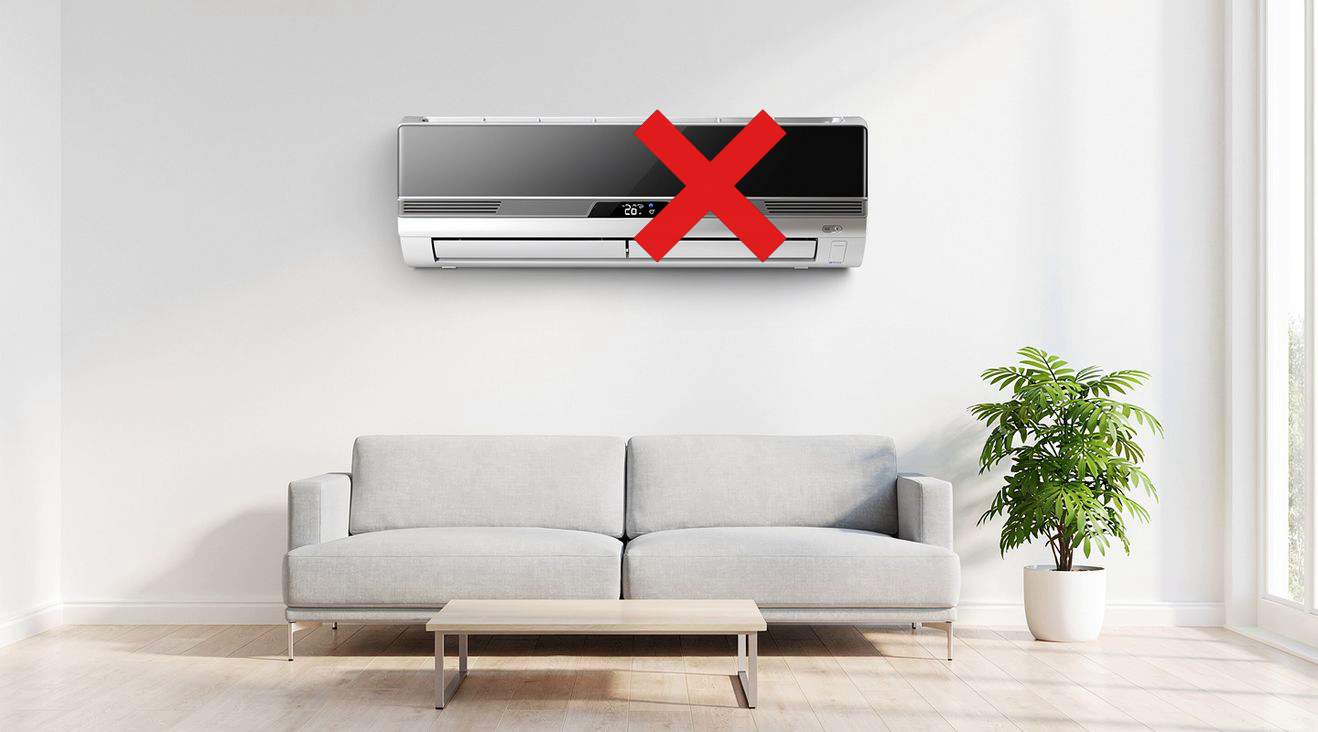

Summer heat has become more than just an inconvenience. As global temperatures climb and cooling demand spreads across regions that once had little need for air conditioning, we face a paradox: the very systems designed to protect us from heat are among the heaviest consumers of electricity in modern homes. Traditional AC units pull enormous amounts of power from the grid, and in densely populated areas, this collective demand can strain infrastructure and spike emissions. A French startup called Caeli Energi is now challenging this status quo with a system that claims to deliver five times less energy consumption while providing four times more cooling power than conventional units. If the claims hold, this could represent a genuine shift in how we approach thermal comfort.
The timing matters. We’re not dealing with a theoretical future problem. According to the International Energy Agency, cooling demand could account for nearly thirty percent of global electricity consumption by 2050, and this surge threatens to overwhelm grids already struggling with renewable integration. Technologies that reduce this burden aren’t luxury innovations—they’re becoming infrastructure necessities. Yet most consumers remain largely unaware of how much energy their cooling systems actually waste, or that alternatives exist beyond incremental efficiency gains.
What makes Caeli Energi’s approach distinctive isn’t just the performance numbers, but rather what they reveal about how differently we could design cooling systems. The company, founded in 2020 and working in partnership with France’s National Center for Scientific Research (CNRS), has developed something that challenges fundamental assumptions about air conditioning design that have remained largely unchanged for decades.
How radical efficiency actually works
The core innovation lies in abandoning the conventional compressor-based cooling cycle that dominates the market. Rather than cycling between high-pressure compression and expansion to move heat, Caeli Energi’s system employs a different thermodynamic approach that delivers more consistent cooling with less mechanical stress on components. This isn’t magic—it’s applied physics that industry insiders apparently overlooked or dismissed as impractical.
The physical manifestation of this technology is striking. The unit stands eight feet tall in an oval configuration, a significant departure from the wall-mounted boxes most people recognize. Size matters here because it enables better thermal exchange and more even distribution of cooled air throughout a space. During demonstration periods, the difference in experience becomes immediately apparent: instead of the familiar blast of cold air followed by temperature fluctuations, users report a stable, gentle cooling sensation that doesn’t create uncomfortable drafts or require constant thermostat adjustment.
Noise levels also drop significantly. Traditional AC units produce that characteristic cycling hum and occasional loud compressor kicks. Caeli Energi’s system operates quietly enough that occupants often forget it’s running. For anyone who’s suffered through noisy cooling systems in apartments or offices, this represents genuine quality-of-life improvement, not merely aesthetic polish.
The practical economics don’t follow traditional patterns
The initial cost runs between $2,700 and $3,200, which positions the system above many residential air conditioners but within the range of premium whole-home solutions. This pricing naturally raises questions about return on investment. In regions with moderate cooling needs, payback periods might extend beyond a decade. But in hot climates where air conditioning runs eight or nine months annually, the mathematics shift dramatically. A household spending $200 monthly on cooling during summer could reduce that to $40 using technology that consumes one-fifth the electricity.
Maintenance emerges as another cost advantage rarely highlighted in cooling discussions. Traditional AC units require regular filter changes, refrigerant top-ups, and compressor servicing. The simpler mechanical design of Caeli Energi’s system suggests lower service frequency and fewer failure points. For commercial properties managing multiple units, this maintenance reduction translates to significant recurring savings.
Commercial deployment presents perhaps the strongest economic case. Hotels, office buildings, and data centers face relentless cooling demands and energy budgets that demand attention from leadership. A system offering four times the cooling efficiency while lowering electricity consumption aligns directly with sustainability commitments that corporations increasingly must meet to secure financing and maintain investor confidence.
The infrastructure implications nobody adequately addresses
While individual efficiency gains matter, the systemic consequences extend far beyond household bills. When millions of homes and businesses simultaneously draw less power for cooling, the cumulative effect reshapes energy grid dynamics. Peak demand periods—typically summer afternoons when cooling needs peak alongside other electricity use—become more manageable. This reduces the need for new power generation capacity, which carries enormous capital costs and environmental consequences.
Reduced peak demand also decreases the reliance on natural gas peaking plants that power utilities activate only during high-demand windows. These plants operate inefficiently and contribute disproportionately to emissions relative to their power output. Every percentage point reduction in peak cooling demand represents real environmental benefit beyond just lower individual consumption.
Grid stability itself improves when demand becomes less volatile. Smart, efficient cooling systems that operate steadily rather than cycling aggressively create more predictable loads that grid operators can manage more effectively. This becomes increasingly critical as electricity grids incorporate higher percentages of variable renewable sources like wind and solar, which require stable demand patterns to function optimally.
What adoption barriers actually look like
Beyond price, genuine obstacles exist that innovation alone cannot overcome. The eight-foot-tall unit requires dedicated floor space, making it impractical for small apartments, compact homes, or spaces where wall-mounted units already dominate. Installation requires structural assessment to ensure proper placement and airflow. Unlike replacing an existing window AC unit in fifteen minutes, Caeli Energi deployment demands professional setup.
Consumer awareness presents another significant hurdle. Most people purchase cooling systems infrequently—perhaps once per decade. Buying decisions typically follow existing brand familiarity and availability through established distribution channels. A startup technology, regardless of its merits, faces the chicken-and-egg problem: adoption requires visibility, but visibility requires customer adoption to justify retailer investment.
There’s also the psychological dimension of technological unfamiliarity. People understand how conventional air conditioning works, roughly speaking. They know compressors get loud and sometimes fail. Explaining why a different thermodynamic approach works better requires education that purchasing circumstances rarely accommodate. Even when rationally advantageous, humans gravitate toward proven, understood solutions over innovations that require mental recalibration.
The question of genuine transformation versus incremental progress
The cooling industry has spent decades pursuing marginal improvements—efficiency gains measured in single-digit percentages per generation. A system claiming five-fold energy reduction represents a categorical shift, not merely an evolution. This raises legitimate skepticism worth examining honestly. Claims require real-world validation across different climates, building types, and usage patterns. Laboratory demonstrations convince differently than behavior observed across thousands of homes over multiple years.
Yet cynicism about innovation carries its own cost. For decades, people dismissed the possibility of electric vehicles as impractical. Solar panels were too expensive, too inefficient, too specialized. Each of these technologies eventually reached viability through continued development and eventual cost reduction. The question isn’t whether Caeli Energi’s system perfectly solves cooling forever, but whether it represents genuine progress worth monitoring and potentially adopting as costs decline through manufacturing scale.
“Innovations that improve thermal comfort while reducing energy consumption represent essential pieces of climate adaptation strategy, but their success depends on widespread adoption rather than niche appeal,” – Energy systems analyst interviewed by major sustainability publications
The broader context matters as much as the specific technology. Cooling represents an expanding energy burden that conventional approaches cannot sustainably handle. Whether Caeli Energi specifically becomes dominant or proves to be one of several emerging alternatives, the direction of change is clear: the era of energy-intensive cooling is ending. What replaces it will determine whether rising global temperatures make buildings unaffordable to cool or whether we develop genuinely sustainable thermal management. The conversation worth having isn’t whether this particular system will revolutionize everything, but rather what role innovations like this might play in reshaping how we live with heat.


