
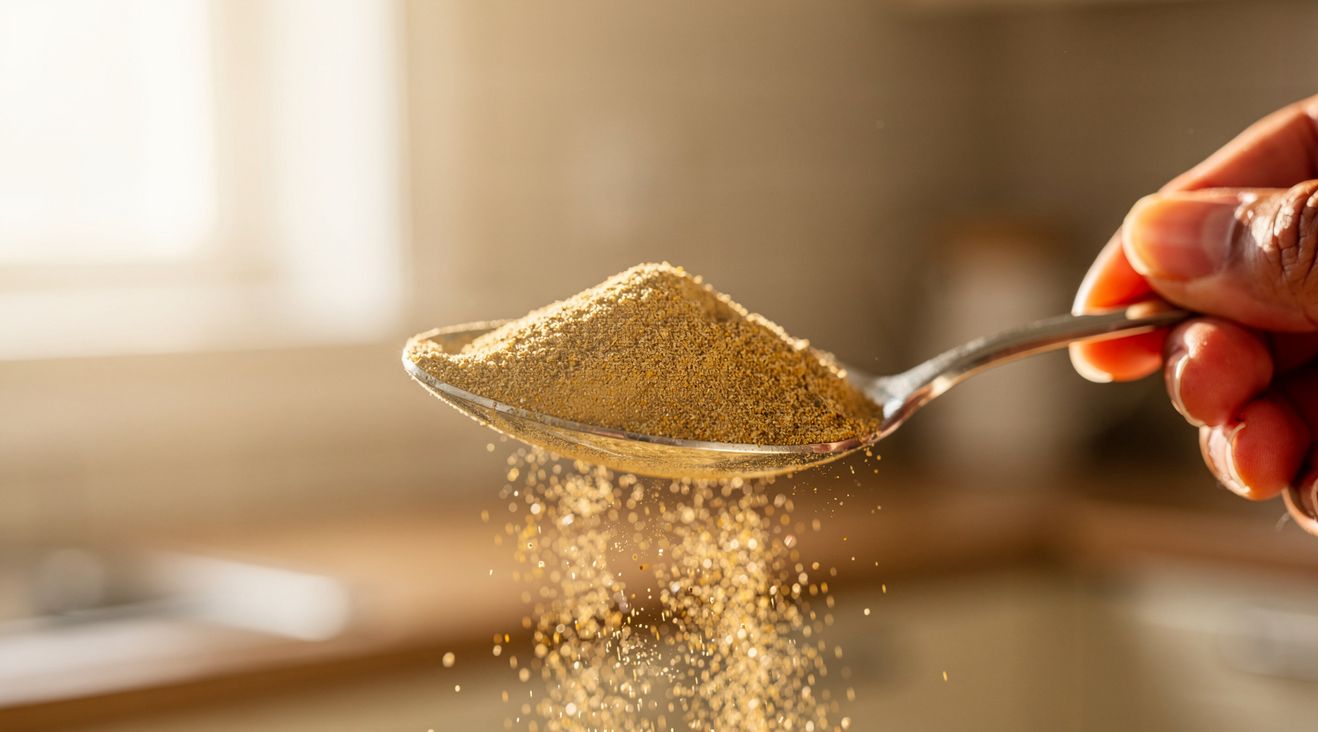

The promise of a single teaspoon per day transforming your appearance and mental clarity sounds like the kind of claim that bounces across social media with little scrutiny. Yet behind the oversimplification lies a genuinely interesting nutritional story. Grapeseed oil has moved from being a footnote in culinary circles to gaining serious attention in wellness discussions, not because of marketing hype alone, but because the science behind certain plant compounds deserves a closer look.
The tension here is real. We live in an era that swung from demonizing all fats to suddenly embracing them as essential—a pendulum that left many people confused about what actually matters. Grapeseed oil sits at the intersection of this confusion: a product with legitimate bioactive compounds, yet also one whose benefits are easily overstated and whose risks are frequently minimized. Understanding why requires moving past the enthusiasm and examining what we actually know, what remains speculative, and where the real complications emerge.
The antioxidant profile that makes the difference
Grapeseed oil contains compounds that genuinely interest researchers. The presence of vitamin E, proanthocyanidins, and other polyphenols gives the oil legitimate antioxidant properties. These aren’t invented benefits—they’re measurable chemical constituents that do interact with cellular processes. According to peer-reviewed research indexed in scientific databases, antioxidants can help neutralize free radicals that contribute to cellular aging and inflammation.
What matters more than the mere presence of these compounds is whether consuming grapeseed oil in practical quantities actually delivers meaningful doses to your body. A teaspoon contains roughly 120 calories and delivers vitamin E, but the amount is modest compared to other dietary sources. The distinction between what exists in a substance and what actually reaches your cells in consequential amounts is where casual wellness discussions often lose precision. Skin improvements reported by users might reflect these antioxidants at work, or they might equally reflect increased overall attention to self-care—a factor rarely isolated in personal testimonials.
The omega-6 problem that demands honest conversation
Here’s where the narrative becomes complicated. Grapeseed oil contains roughly 700 times more omega-6 fatty acids than omega-3s, a ratio that fundamentally differs from what nutritional science currently recommends. Most health authorities suggest balancing omega-6 and omega-3 intake at ratios somewhere between 1:1 and 10:1 to manage systemic inflammation and cardiovascular risk.
This isn’t theoretical concern. Chronic overconsumption of omega-6 relative to omega-3 has been linked to elevated inflammatory markers, increased heart disease risk, and potential thyroid complications. The problem intensifies because most modern diets already skew heavily toward omega-6 through consumption of seed oils, processed foods, and conventional animal products. Adding grapeseed oil without intentionally increasing omega-3 sources doesn’t balance the equation—it potentially worsens an existing imbalance.
“The ratio of omega-6 to omega-3 fatty acids in the diet is critically important for managing inflammatory processes in the body” – Nutritional Biochemistry Research Institute
The responsible framing isn’t that grapeseed oil is harmful in isolation. Rather, it’s that using it requires conscious dietary planning—pairing it with wild salmon, ground flaxseeds, chia seeds, or walnuts to maintain a healthier fatty acid balance. This nuance disappears in most promotional content.
Skin clarity and cognitive claims deserve scrutiny
The testimonials about skin transformation and sharper focus carry an intuitive appeal. These are precisely the visible, felt outcomes that make wellness interventions seem to work. Yet isolating whether grapeseed oil itself caused these changes is methodologically difficult.
When someone adds a new habit to their routine, numerous variables shift simultaneously. Perhaps the ritual of daily self-care matters more than the oil itself. Perhaps increased attention to overall nutrition improved results. Perhaps the placebo effect—a genuine physiological phenomenon, not a sign of falsehood—contributed meaningfully. The human body is complex enough that multiple mechanisms can produce similar outcomes.
For cognitive effects, the evidence becomes even thinner. While grapeseed extract shows promise in some laboratory and animal studies for neuroprotection, human trials demonstrating that a teaspoon of oil meaningfully enhances memory or focus are simply absent from the literature. The melatonin content mentioned in promotional materials exists in amounts so small that their practical sleep-promoting effect remains speculative.
The rarely examined practical limitations
Grapeseed oil has a low smoke point—around 420 degrees Fahrenheit—making it unsuitable for cooking at higher temperatures where most household sautéing and frying occurs. This limitation effectively restricts its use to salad dressings, cold applications, and low-heat finishing. For many people accustomed to cooking with oils that withstand higher heat, this practical constraint makes regular consumption less convenient than imagined.
Storage presents another quiet consideration. Oils high in polyunsaturated fats, like grapeseed oil, oxidize more readily than saturated alternatives. This means shelf life is shorter and oxidation occurs more quickly once opened, potentially reducing the very antioxidant benefits the product is purchased for. Proper storage in cool, dark conditions becomes not merely nice-to-know but practically important.
What a realistic daily practice actually looks like
The functional truth about grapeseed oil differs from its promotional narrative. Rather than a miraculous substance, it’s a moderately useful food component with specific qualities suited to certain culinary and skincare applications. A teaspoon drizzled over finished vegetables or whisked into vinaigrette is a reasonable addition to a thoughtful diet.
The cognitive clarity many users report might genuinely emerge not from the oil itself but from the conscious attention to nutrition it represents. Starting to measure and intentionally consume a healthful substance often catalyzes broader dietary awareness—eating more whole foods, drinking more water, sleeping better. These cascading improvements don’t invalidate grapeseed oil’s value; they simply suggest its benefit exists within a broader context of intentional living.
Whether this cost-benefit balance makes grapeseed oil worth regular consumption depends on individual circumstances. For someone already consuming excess omega-6 from other sources, the risk-reward tilts differently than for someone with balanced fatty acid intake. For someone with genuine interest in natural skincare and culinary exploration, the modest investment makes straightforward sense.
The remaining question worth sitting with is whether we’re drawn to grapeseed oil for what it genuinely offers, or for what we hope it offers. That distinction matters more than any compound the seeds contain.


