
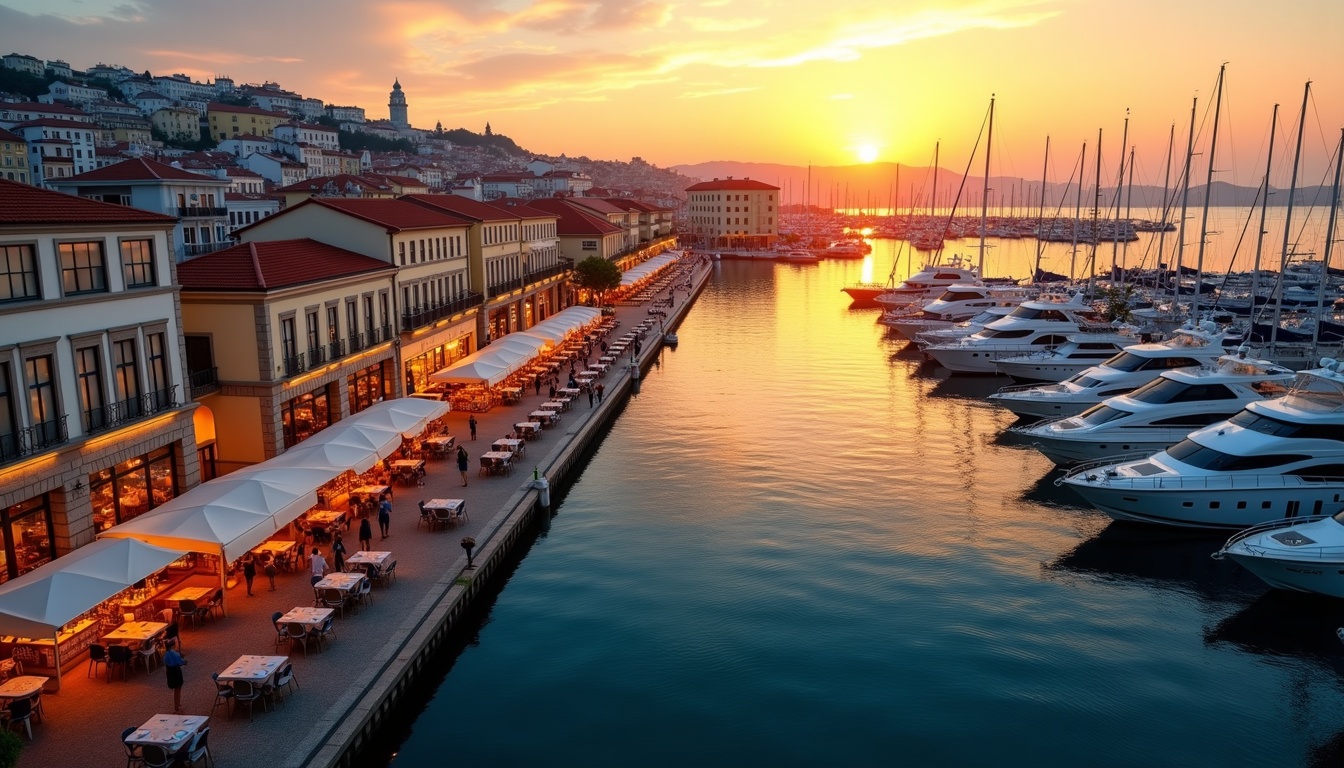

Where the Arade River meets the Atlantic, in the quiet hamlet of Mexilhoeira da Carregação, something remarkable is stirring. For decades, the Boca do Rio marina lay dormant, a waterfront relic that never quite captured the imagination of Algarve’s tourism machine. Now, municipal authorities are orchestrating what amounts to a quiet resurrection of this overlooked corner of southern Portugal. The vision extends far beyond simply reviving a boat basin—it encompasses a comprehensive reimagining of how a coastal community can balance heritage preservation, sustainable tourism, and genuine economic development. This initiative offers a fascinating counterpoint to the mass tourism that has long dominated the Algarve coastline, presenting opportunities for investors seeking property in Portugal with strong ROI potential.
The story of Boca do Rio’s revival begins with the municipality of Lagoa, guided by president Luís Encarnação, taking ownership of the marina’s grounds in 2025. What follows represents something increasingly rare along Portugal’s southern coast: a deliberate, culturally-conscious approach to waterfront development. According to official announcements from Lagoa municipality, the mayor has confirmed the reactivation plans for the marina at Boca do Rio. The municipality has launched a public tender for a private operator to manage the facility, signaling both commitment and openness to partnership. The marina’s strategic location between Portimão and Ferragudo, nestled where the Arade River flows toward the sea, makes it a natural hub for reconnecting fragmented portions of the coastline.
Location: Mexilhoeira da Carregação, between Portimão and Ferragudo
Municipal Ownership: Lagoa municipality acquired grounds in 2025
Management Model: Public tender for private operator
Hotel Development: 100-room mid-sized hotel planned
Timeline: Active development phase 2025-2026
Historically, this stretch of the Arade served as a working port where fishermen and merchants once loaded dried figs and other cargo destined for distant markets. The river itself holds archaeological treasures—artifacts and historical remnants that whisper of centuries past. By repositioning the marina as a contemporary facility while honoring this maritime heritage, Lagoa is attempting something architecturally and socially complex: creating space for modern leisure and commerce without erasing collective memory.
The physical transformation will be substantial. New parking facilities, reconfigured roadways, and modernized infrastructure are slated for development. However, the marina doesn’t exist in isolation. Around it, a constellation of complementary projects is taking shape. The restoration of João II garden, construction of a mid-sized hotel with approximately one hundred rooms, the rehabilitation of the Santo António hermitage, and the conversion of the historic Solar do Calhau into tourist accommodation all serve the same overarching goal: transforming Mexilhoeira da Carregação from a quiet backwater into a thriving cultural and leisure destination. Each component reinforces the others, creating what planners call an ecosystem where tourism, culture, and local vitality interweave naturally.
“The reactivation of the marina at Boca do Rio represents a comprehensive approach to sustainable coastal development, integrating heritage preservation with modern tourism infrastructure” – Luís Encarnação, Mayor of Lagoa, 2025
The centerpiece of this cultural dimension is the forthcoming MUSE—the Museum of Archaeological Findings of Lagoa. Housed in the former Solar do Júdice, this institution will display artifacts recovered from the Arade River and elsewhere throughout the municipality. The museum represents far more than a repository for old objects. It embodies a commitment to preservation, scholarly research, and authentic storytelling. The broader MUSA program aims to systematize the underwater heritage of the river itself, even exploring responsible underwater tourism possibilities. This approach acknowledges that Algarve’s true wealth lies not primarily in new construction but in revealing and interpreting the layers of history already present in the landscape.
What distinguishes Lagoa’s approach from conventional coastal development is its explicit commitment to sustainability and environmental stewardship. Officials acknowledge the real dangers facing the Algarve: unchecked gentrification, speculative real estate investment, ecological degradation, and the homogenization of character that comes with mass tourism. The reactivation of Boca do Rio incorporates environmental safeguards from inception. These include responsible marine waste management, protection of wetland ecosystems, compliance with Portuguese environmental agency standards, and respect for fluvial and coastal habitats. It’s a recognition that economic vitality and ecological health aren’t opposing forces but interdependent conditions.
| Development Aspect | Traditional Algarve Tourism | Boca do Rio Model |
|---|---|---|
| Primary Focus | Mass beach tourism | Cultural heritage + sustainable marina |
| Accommodation Type | Large resort complexes | Boutique hotel (100 rooms) + heritage buildings |
| Environmental Approach | Development-first | Environmental safeguards from inception |
| Cultural Integration | Limited heritage connection | Archaeological museum + underwater heritage |
| Community Impact | Often displaces locals | Designed to enhance local vitality |
The fragility of this balance cannot be overstated. The Algarve faces relentless development pressure, with property speculation and construction driving continuous change. Tourism, while economically vital, carries significant cultural and environmental costs. Lagoa’s municipal leadership appears acutely aware of these tensions and is attempting to chart a middle path—one that welcomes visitors and generates revenue while preserving what makes a place distinctive and livable for its residents.
The model emerging from this Algarve municipality offers lessons extending well beyond regional boundaries. Rather than surrendering to inevitable commercial homogenization, Lagoa is leveraging its specific assets: a historic river port, archaeological richness, architectural heritage, and genuine community character. The strategy suggests that sustainable tourism development requires moving beyond generic attractions toward authentic cultural experiences. A visitor who tours a local museum, dines at establishments serving regional specialties, and understands the historical significance of their surroundings becomes something different from a typical beach tourist—they become, in some sense, a participant in local life rather than an external consumer.
• Mexilhoeira da Carregação offers authentic Algarve experience without Lagos/Albufeira crowds
• The Arade River archaeological sites are accessible by boat from the marina
• Local fig and almond heritage connects to centuries-old export trade
• Best visited during shoulder seasons (April-May, September-October) for optimal weather and fewer tourists
For travelers to Portugal, this emerging destination offers an alternative to crowded resort areas. The rebuilt Boca do Rio marina promises genuine charm rooted in actual place rather than manufactured appeal. It represents a Portugal that doesn’t simply market itself but invites visitors to understand something real about how communities along the southern coast have lived and worked for centuries. Recent marina industry reports highlight the growing demand for authentic coastal experiences over traditional resort tourism.
The true measure of Lagoa’s initiative will emerge over the coming years as the marina becomes operational and surrounding projects advance. Success will mean attracting visitors genuinely interested in heritage and culture, generating income for local businesses and workers, preserving environmental integrity, and maintaining community character. These objectives require constant navigation and occasional compromise, but they also point toward a coastal Portugal that retains its soul while embracing careful progress—a destination that improves with deeper understanding rather than declining through shallow consumption.


