
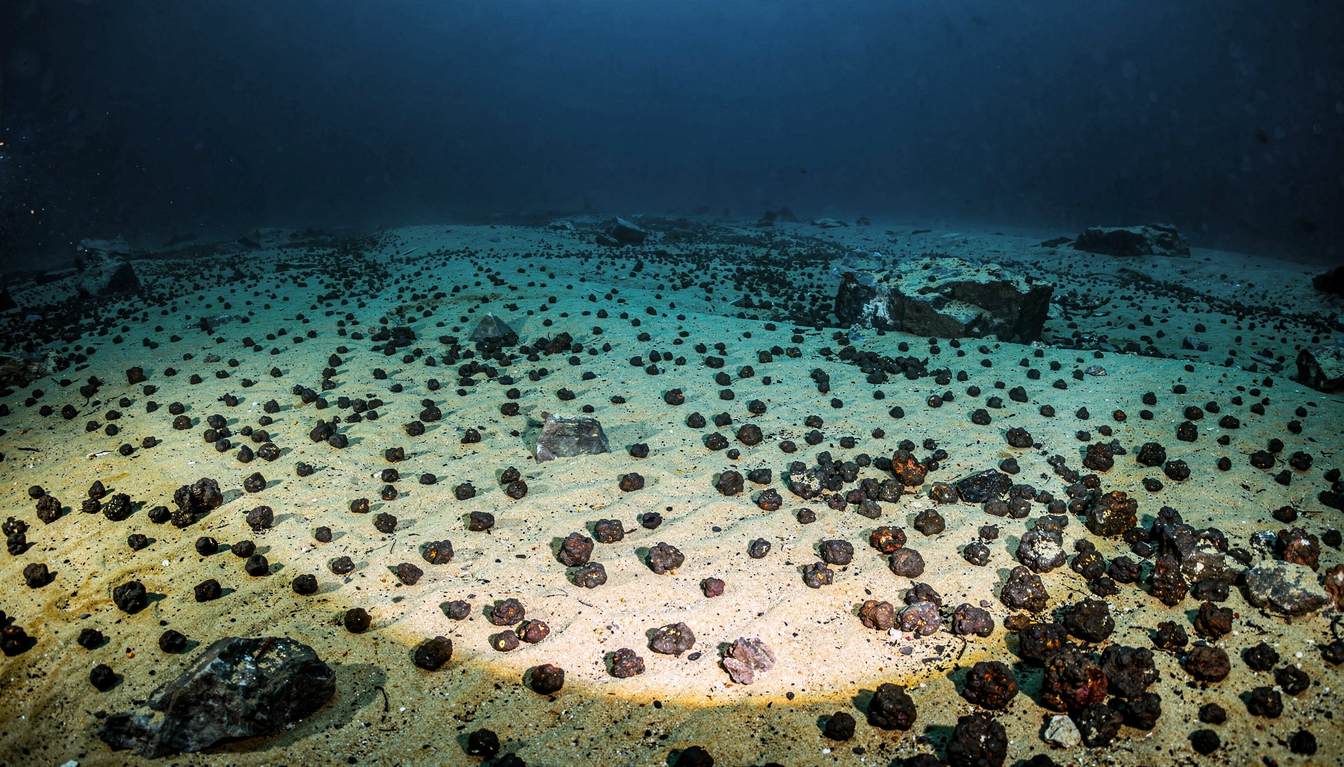

Portugal and Europe stand at a pivotal moment in the global energy revolution. Beneath the waters of the North Sea lies an opportunity that could fundamentally reshape how the continent powers itself. This isn’t about discovering precious metals or fossil fuels—it’s about unlocking the potential of green hydrogen, a clean energy source that promises to free Europe from its dependence on imported oil and gas while combating climate change.
The North Sea, that vast body of water separating Europe from the British Isles, possesses natural advantages that few other regions can match. Its powerful, consistent winds and relatively shallow waters create ideal conditions for massive offshore wind farms. These installations could theoretically generate up to 300 gigawatts of electricity annually—enough to power entire nations. But electricity alone isn’t the end goal. This abundant renewable energy serves as the foundation for producing clean hydrogen through a process called electrolysis.
• 300 GW potential offshore wind capacity
• 45,000 tons annual green hydrogen production target
• Equivalent to powering 25 million European homes
• Could reduce EU gas imports by 15-20%
Electrolysis is elegantly simple in concept: water molecules are split into hydrogen and oxygen, with no carbon dioxide emissions in the process. This hydrogen can then be used across multiple sectors—heavy industry, transportation, heating, and chemical production. Unlike fossil fuels, green hydrogen burns cleanly, producing only water vapor as a byproduct. For a continent facing tightening climate regulations and energy security concerns, this represents a genuine game-changing opportunity.
The numbers tell a compelling story. If European countries can successfully develop the necessary infrastructure, the North Sea could yield approximately 45,000 tons of green hydrogen annually. To put this in perspective, that’s enough to significantly reduce Europe’s reliance on natural gas imports and fossil fuel-based heating systems. Several countries, including Portugal, are already positioning themselves to benefit from this energy revolution, recognizing that hydrogen will be essential to meeting 2050 climate neutrality goals.
Innovation is accelerating the timeline for this transition. Engineers and energy companies are developing sophisticated technologies like the Windcatcher system—essentially a floating wall equipped with multiple turbines that captures wind energy more efficiently than traditional individual turbines. These innovations boost output while reducing operational costs, making green hydrogen production increasingly economically viable. When combined with Europe’s offshore wind resources, such advancements create a realistic pathway toward large-scale hydrogen production.
According to official EU offshore renewable energy data, wind capacity could grow to more than 500 GW by 2030, with the North Sea and Baltic Sea representing the continent’s most promising regions for large-scale development.
“To harness the full potential of offshore wind in the North Sea and the Baltic Sea, cooperation between member states will be essential for achieving our 2030 renewable energy targets” – European Commission Offshore Renewable Energy Strategy, 2024
Yet the path forward is far from straightforward. Despite its promise, green hydrogen remains in its early stages of development. Most projects haven’t progressed beyond pilot phases, and significant obstacles stand in the way of scaling up. The initial capital investment required for offshore wind farms and hydrogen production facilities is enormous—often running into billions of euros. Regulatory frameworks vary wildly across European nations, creating bureaucratic confusion and slowing project approvals. Different countries have implemented different technical standards, making coordination difficult and increasing costs.
This fragmented approach reflects a broader challenge facing European energy policy. Each member state prioritizes its own energy security and economic interests, leading to uncoordinated efforts that undermine collective progress. Some nations are moving rapidly toward hydrogen investments, while others remain hesitant or focused on alternative renewable technologies. Without unified standards and coordinated planning, Europe risks wasting resources and missing critical timelines.
The climate crisis won’t wait for bureaucracies to align their regulations. Energy independence has become more urgent since recent geopolitical tensions disrupted traditional supply chains. Russia’s historical role as Europe’s primary natural gas supplier has been dramatically reduced, leaving countries scrambling to diversify energy sources. Green hydrogen offers a compelling solution to both problems simultaneously—it addresses climate commitments while reducing vulnerability to external energy suppliers.
Portugal’s geography gives it particular advantages in this emerging hydrogen economy. With extensive Atlantic coastline and significant wind resources, Portugal could become a hydrogen hub, producing green hydrogen for both domestic use and export to other European nations. The country is already investing in Portugal’s renewable energy innovation infrastructure and hydrogen research, positioning itself as a potential leader in this sector.
• 943 km of Atlantic coastline with consistent wind patterns
• Sines port being developed as Europe’s green hydrogen export hub
• €7 billion National Hydrogen Strategy through 2030
• Strategic location for North African solar-powered hydrogen imports
Realizing Europe’s hydrogen potential requires decisive action on multiple fronts. First, regulatory harmonization is essential. EU institutions need to establish common technical standards and streamlined approval processes that apply across all member states, eliminating the current patchwork of differing requirements. Second, substantial investment is necessary. Governments and private sector investors must commit significant capital to build offshore wind farms and hydrogen production facilities. Public funding mechanisms can reduce risk and attract private investment by demonstrating government commitment.
Third, research and development must continue accelerating. While electrolysis technology is proven, innovations that reduce costs and improve efficiency will be crucial for commercial viability. Universities, research institutions, and companies should collaborate on developing next-generation hydrogen technologies. Portugal’s growing role in European tech sovereignty positions the country well to contribute to these technological advances. Finally, countries must coordinate infrastructure development—establishing pipelines, storage facilities, and distribution networks that connect hydrogen producers with end users across borders.
| Country | Hydrogen Strategy Investment | Target Production (2030) | Key Advantages |
|---|---|---|---|
| Portugal | €7 billion | 2.5-5.5 GW electrolysis | Atlantic winds, Sines port hub |
| Germany | €9 billion | 10 GW electrolysis | Industrial demand, North Sea access |
| Netherlands | €3 billion | 4 GW electrolysis | Rotterdam port, existing gas infrastructure |
| Spain | €8.9 billion | 4 GW electrolysis | Solar resources, industrial base |
The potential rewards justify the investment. A successful green hydrogen economy would deliver multiple benefits simultaneously. Europe would dramatically reduce carbon emissions across industrial and transportation sectors. Energy costs would stabilize as reliance on volatile global fossil fuel markets diminishes. Tens of thousands of jobs would be created in renewable energy installation, hydrogen production, and related industries. Energy security would strengthen as the continent produces its own fuel rather than depending on imports.
Portugal’s integration of smart grids and energy management systems will be crucial for optimizing hydrogen production and distribution, ensuring maximum efficiency as the country scales up its green hydrogen capabilities.
The North Sea could transform from a region historically defined by oil and gas extraction into Europe’s clean energy frontier. That symbolic shift—from fossil fuels to renewable hydrogen—would signal to the world that Europe is serious about its climate commitments.
Recent analysis from German offshore wind development data shows that despite ambitious targets of achieving 30 GW capacity by 2030, coordination challenges and regulatory delays continue to slow progress across the region.
“Despite offshore wind’s promising potential and ambitious government targets, achieving large-scale green hydrogen production will require unprecedented coordination between European nations and massive infrastructure investment” – Clean Energy Wire Analysis, 2023
The 45,000-ton annual hydrogen production figure isn’t merely a statistic; it represents a concrete target that could reshape European energy within a decade. Whether Europe achieves this depends on decisions made now—decisions about investment, coordination, and commitment. The treasure beneath the waves is real, the technology exists, and the urgency is undeniable. What remains uncertain is whether Europe will move with sufficient speed and unity to claim this opportunity before time runs out.