
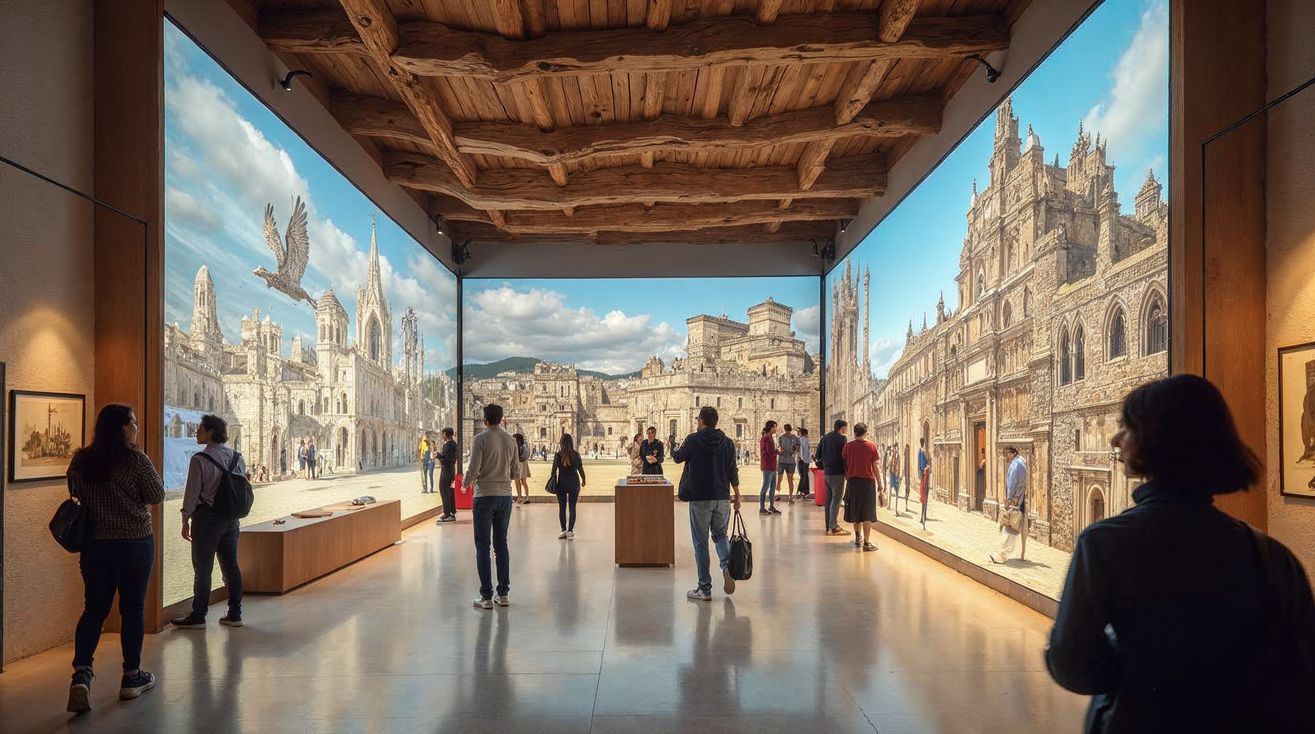

Imagine strolling through the grand halls of Portugal’s iconic museums without leaving your couch. Sounds like a dream, right? In the past few years, this vision has become a vibrant reality as Portuguese museums are embracing the digital age. And honestly, it’s not just a tech upgrade — it’s a full-blown cultural renaissance.
The Surge of Virtual Galleries
The allure of walking through a museum, gazing at masterpieces, is timeless. But now, with the click of a button, these experiences are accessible to anyone with an internet connection. This digital transformation isn’t just about convenience; it’s about democratizing art. By taking their collections online, museums like the National Museum of Ancient Art in Lisbon are inviting a global audience to explore their treasures. According to a report by The Art Newspaper, more than 30% of Portugal’s museums have launched some form of virtual gallery since 2020. And yes, this is just the beginning.
Preserving History with Technology
It’s fascinating how technology is helping preserve history. You might think that digitization is all about pixels and screens, but it goes much deeper. By creating high-resolution digital replicas, museums can safeguard their collections against physical deterioration. This is especially crucial for fragile items that age with time. The Calouste Gulbenkian Museum, for example, has digitized its extensive collection, ensuring that even in the case of unforeseen circumstances, the essence of their artifacts remains intact. It’s a comforting thought, isn’t it? That generations to come will be able to appreciate these pieces, thanks to a few clicks.
Engaging the Younger Generation
Let’s face it: today’s younger generation is all about digital interaction. Museums in Portugal are tapping into this trend by incorporating interactive and immersive technologies. From virtual reality tours to augmented reality apps, these institutions are speaking the language of the tech-savvy. The Serralves Foundation in Porto has launched an app that allows users to experience art through augmented reality, merging the physical and digital worlds in a way that’s both educational and fun. It’s the kind of innovation that makes you pause and think, “Why didn’t we have this sooner?”
Challenges and Opportunities
Of course, this digital journey isn’t without its hurdles. One of the significant challenges Portuguese museums face is the financial investment required for digitization. It’s not just about creating a website; it’s about developing an engaging, high-quality digital experience. Furthermore, ensuring that these experiences are accessible to everyone, regardless of their technical ability, is a constant battle. But where there are challenges, there are also opportunities. This digital pivot allows museums to reach audiences they never could before — from schoolchildren on the other side of the world to art enthusiasts in remote areas.
Another interesting layer to this digital transformation is the potential for collaboration. By sharing digital resources, museums can work together, creating a more interconnected cultural landscape. Imagine a digital exhibition featuring works from multiple Portuguese museums, offering a more holistic view of the country’s rich artistic heritage.
The Future is Bright
So, what does the future hold for Portuguese museums going digital? It’s exciting to think about the possibilities. Enhanced virtual reality experiences, live-streamed events, and even digital-only exhibitions could soon become the norm. According to a study by Europeana, museums that embrace digital transformations not only expand their audience but also increase visitor engagement by up to 40%. It’s a win-win, really.
In the end, this digital shift is more than just a trend. It’s a movement towards making art and culture more inclusive and accessible. So, next time you’re planning to visit a museum, why not start with a digital tour? You might just find yourself clicking through the corridors of Portugal’s finest museums, discovering art in a way you never imagined.
As we wrap up this digital journey, let’s keep the conversation going. Have you experienced a virtual museum tour that blew your mind? Or perhaps you have suggestions on how museums could enhance their digital presence? Share your thoughts, because after all, art is best enjoyed together.


