
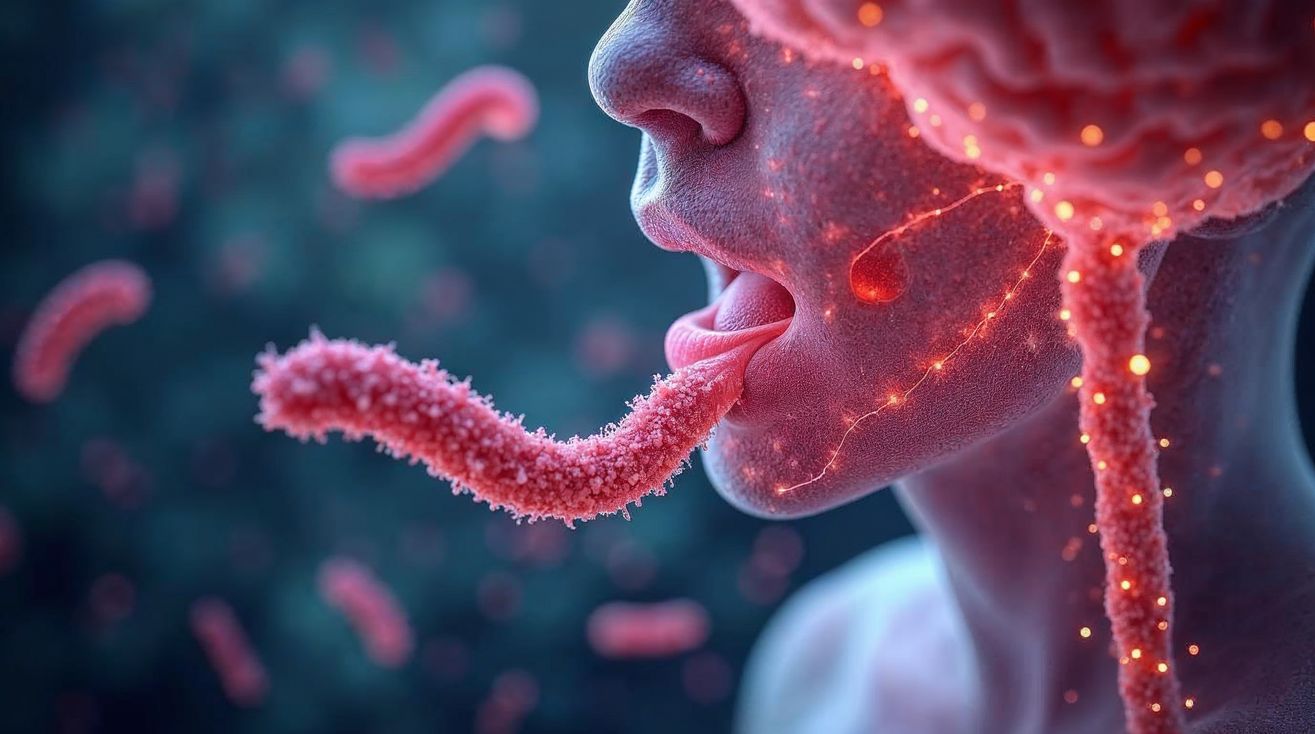
Parkinson’s disease may be triggered by a well-known oral bacterium

Parkinson’s disease has long been seen as a mystery of the mind, a puzzle that begins and ends in the brain. But what if the origins of this debilitating condition lie somewhere much more mundane—right inside your mouth? It’s a thought-provoking twist that’s reshaping how scientists think about this disease.
Recent findings are turning the spotlight on a familiar oral bacterium. It’s a name that dentists and anyone who’s ever had a cavity might know: Streptococcus mutans. This bacterium is notorious for its role in tooth decay, but emerging research suggests it may have a more sinister side, potentially setting the stage for Parkinson’s disease.
S. mutans: Beyond the Toothbrush
For years, S. mutans was considered just a pesky component of dental plaque. It’s the kind of thing you battle with fluoride toothpaste and regular flossing. But, as scientists now suspect, this bacterium doesn’t always stay confined to your teeth. Instead, it might take a journey down the digestive tract, becoming part of the gut microbiome. According to a study published in Nature Communications, this migration could have profound implications.
In people with Parkinson’s disease, researchers have observed higher levels of S. mutans colonization in the gut. This suggests a potential link between oral health and the brain cell degeneration that characterizes Parkinson’s. Imagine that—a tiny bacterium, typically blamed for cavities, quietly influencing the brain.
From Gut to Brain: The Hidden Journey
Once nestled in the gut, S. mutans doesn’t just sit idly. It produces an enzyme that leads to the creation of a molecule called imidazole propionate. This chemical doesn’t stay put; it travels through the bloodstream and can even breach the blood-brain barrier, a protective shield that usually keeps most substances out of the brain. It’s a bit like a spy slipping through the defenses unnoticed.
Once inside the brain, the molecule appears to wreak havoc. In animal studies, it has been associated with several hallmark features of Parkinson’s: the loss of dopamine-producing neurons, chronic inflammation, and the accumulation of the protein alpha-synuclein, which is toxic to nerve cells. These changes mirror what doctors observe in human patients with the disease.
Unraveling the Biological Pathway
Delving deeper, researchers have traced the effects of imidazole propionate to a cellular pathway known as mTORC1. This pathway is crucial for cell growth and metabolism but needs to be delicately balanced. When the pathway is overactivated, as it seems to be by this bacterial metabolite, neurons become vulnerable, unable to clear out harmful proteins effectively.
In laboratory settings, blocking mTORC1 activity has shown promise in reducing brain lesions and improving motor function, even when the bacterial metabolite is present. This opens up potential new avenues for treatment, focusing on the mouth-gut-brain axis rather than the brain alone.
Prevention: More Than Just Brushing
If these findings hold true, it could redefine how we approach Parkinson’s prevention. The idea is both simple and profound: that everyday dental hygiene might not just protect your teeth but also shield your brain. While brushing your teeth won’t magically prevent Parkinson’s, maintaining good oral hygiene could be one piece of a much larger puzzle.
Alongside genetics and other risk factors, this research highlights the importance of simple lifestyle changes. Regular dental check-ups, cutting down on sugar, and addressing gum disease could become part of a proactive strategy to reduce the risk of developing Parkinson’s later in life.
Looking Ahead: New Frontiers in Research
The implications of this research extend beyond the toothbrush. Scientists are exploring ways to manipulate the microbiome to prevent or treat Parkinson’s. This could involve developing probiotics that outcompete harmful bacteria or using selective antibiotics to target specific strains like S. mutans.
There’s also interest in directly blocking imidazole propionate or its effects on the mTORC1 pathway. While drugs that modulate mTOR signaling already exist, tailoring them to protect neurons without affecting other cells remains a significant challenge.
A New Perspective on Parkinson’s
Picture this: a middle-aged man who’s never been meticulous about his oral care. He enjoys sugary snacks, feels healthy, but occasionally notices some digestive issues. Unbeknownst to him, S. mutans has settled in his gut, gradually influencing his brain. Years later, he experiences the first signs of Parkinson’s—a tremor in his hand while holding his morning coffee. It’s a sobering thought that emphasizes the importance of early interventions and a holistic approach to health.
As this research evolves, it offers hope for new preventive measures and treatments that address the root causes of Parkinson’s rather than just managing symptoms. By understanding the intricate web of interactions between our mouth, gut, and brain, we could one day shift the trajectory of this challenging disease.
If you’re curious about how these findings might impact your health, consider discussing them with your healthcare provider. Meanwhile, you might want to pay extra attention to your dental routine—it could be more important than you think.


