
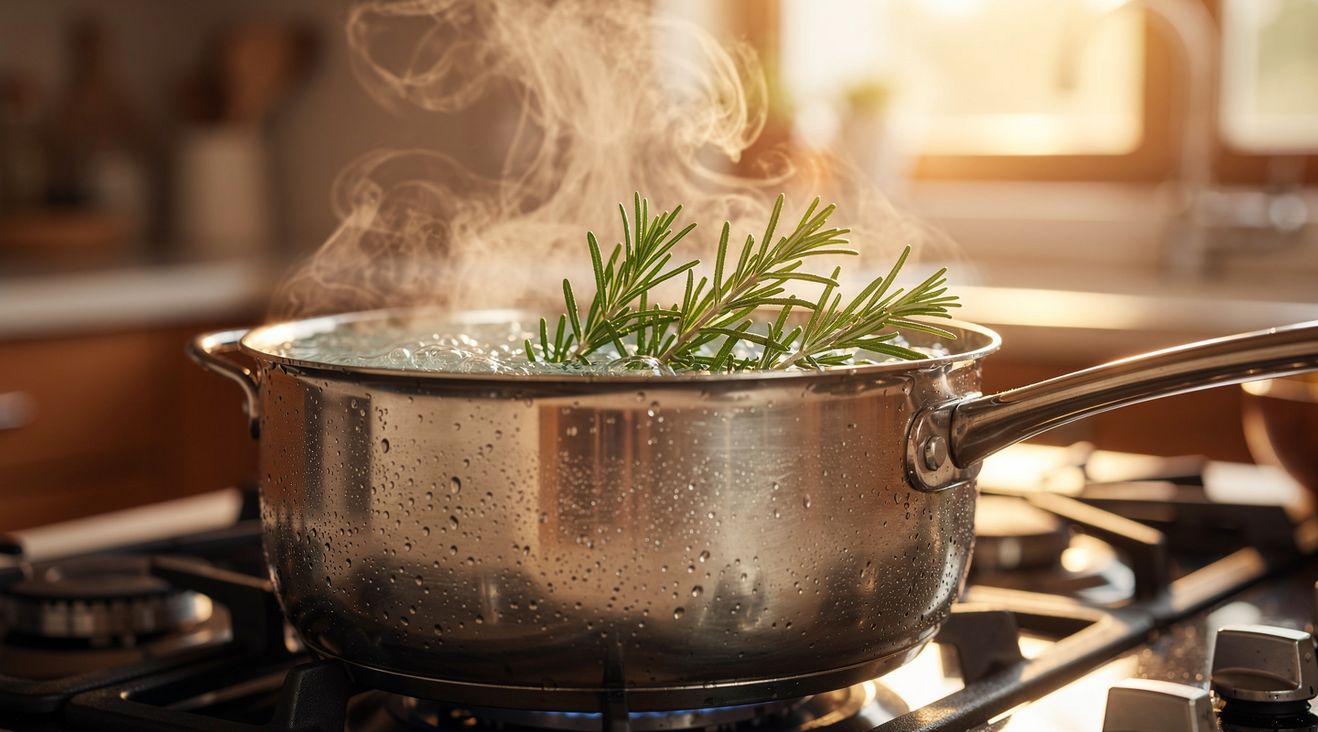

There’s a particular moment in the late afternoon when a house shifts from simply being a space you inhabit to becoming something that feels inhabited. For many people, that transformation happens through a single, unglamorous action: boiling water with rosemary. This isn’t about trend-chasing or wellness theater. It’s a practical intervention that sits quietly at the intersection of home chemistry, personal wellbeing, and sensory experience.
The resurgence of interest in boiling rosemary reflects something deeper than nostalgia for traditional practices. People are actively searching for ways to reclaim their domestic environments from the standard industrial approach to freshness and mood. Commercial air fresheners, scent plugins, and synthetic aromatics have dominated for decades, yet they leave many households feeling sterile rather than lived-in. What’s changing now is the recognition that herbal infusions offer something measurably different—both chemically and psychologically.
The practice itself requires almost no skill or investment. Yet understanding why it works, and what actually happens when you let steam from rosemary drift through your rooms, reveals a more nuanced picture than simple pleasant smells.
What actually enters your body when you breathe rosemary steam
When rosemary heats in water, something specific occurs at the molecular level. The plant releases volatile compounds—primarily cineole, camphor, and pinene—which become airborne and reach your respiratory system. These aren’t imaginary effects. According to research published through the National Institutes of Health, inhaling these compounds triggers measurable physiological responses, including changes in heart rate variability and cortisol levels.
The distinction matters. Breathing in rosemary steam isn’t meditation theater; it’s actually introducing active plant compounds into your body. When you consume rosemary tea, your digestive system processes minerals like iron, calcium, and manganese, along with phenolic compounds that have both antioxidant and anti-inflammatory properties. The difference between smelling it and drinking it is the difference between topical and systemic—one affects your immediate environment and nervous system, the other your cellular function.
What makes this practice interesting clinically is that the same plant provides dual benefits through different methods of engagement. The steam addresses acute stress and mental clarity, while the infused water supports longer-term immune and digestive function. Most people don’t think to employ the same plant in multiple ways within a single daily routine.
The environmental cleansing that actually holds up to scrutiny
Claims about “energy cleansing” typically collapse under basic analysis. But the antibacterial and antiviral properties of rosemary are documented in peer-reviewed literature. The essential oils do inhibit the growth of certain pathogens, which means boiling rosemary creates an environment where airborne microorganisms face genuine resistance.
This is distinct from traditional air fresheners, which either mask odors chemically or simply disperse pleasant scents. Rosemary steam accomplishes something more functional: it actually alters the microbial composition of your air. The effect isn’t dramatic enough to replace HEPA filtration or proper ventilation, but it’s real. In a home where someone is recovering from illness or where seasonal air quality fluctuates, this distinction becomes material.
The practical implication is this—the ritual works partly because the biology is legitimate, not just because it feels good. That foundation changes how people experience the practice. It becomes less mystical and more practical, which paradoxically makes people more consistent in maintaining it.
Why the ritual structure matters as much as the herb itself
The neurological benefits of repetitive domestic rituals deserve attention that wellness articles typically don’t provide. When you establish a specific sequence—selecting the rosemary, filling the pot, setting the timer, waiting for the steam—your brain begins associating that sequence with a predictable shift in state. Over weeks, the ritual itself becomes a trigger.
This is classical conditioning applied to your own home. You’re not simply enjoying rosemary; you’re training your nervous system to recognize a specific pattern as a signal for downshifting.
“The combination of sensory input, repetition, and intentional pause creates a more durable effect than the herb alone could provide”
– as behavioral neuroscientists studying daily practices have observed. The rosemary is the vehicle, but the structure is the active ingredient.
Someone who randomly smells rosemary will experience some benefit. Someone who deliberately boils it at the same time each day, sits with it for ten minutes, and allows their breathing to slow experiences something qualitatively different. The consistency itself becomes therapeutic.
The overlooked practical barrier most people encounter
What typically gets omitted from these articles is that sustained adoption requires addressing friction. Boiling rosemary sounds simple, but maintaining it involves sourcing fresh sprigs regularly, managing pot ownership, and remembering to do it amid competing demands. For urban apartment dwellers, the steam management becomes complicated. For people with limited access to fresh herbs, dried rosemary works but provides diminished volatile compounds.
The articles that advocate this practice rarely acknowledge that consistency matters more than the practice itself, and consistency is hard. The gap between trying something once and integrating it into a functional daily rhythm is where most people’s enthusiasm dissolves. The actual question isn’t whether boiling rosemary works—it does—but whether your life structure makes it feasible to sustain.
Understanding this barrier honestly allows people to adapt. Some will establish it as a weekly ritual rather than daily. Others will combine it with existing routines, boiling rosemary while making morning coffee. The practice becomes valuable only when it aligns with genuine capacity, not aspirational discipline.
The broader question this raises extends beyond rosemary specifically. We’re rediscovering that small environmental interventions—sourcing from plants rather than chemistry, engaging in deliberate ritual, engaging multiple senses—genuinely shape how we experience our own homes and our own minds. Whether that discovery will lead to sustained change, or simply fade as the next wellness trend, depends entirely on whether people can make it workable within their actual lives rather than their idealized versions of themselves.


